
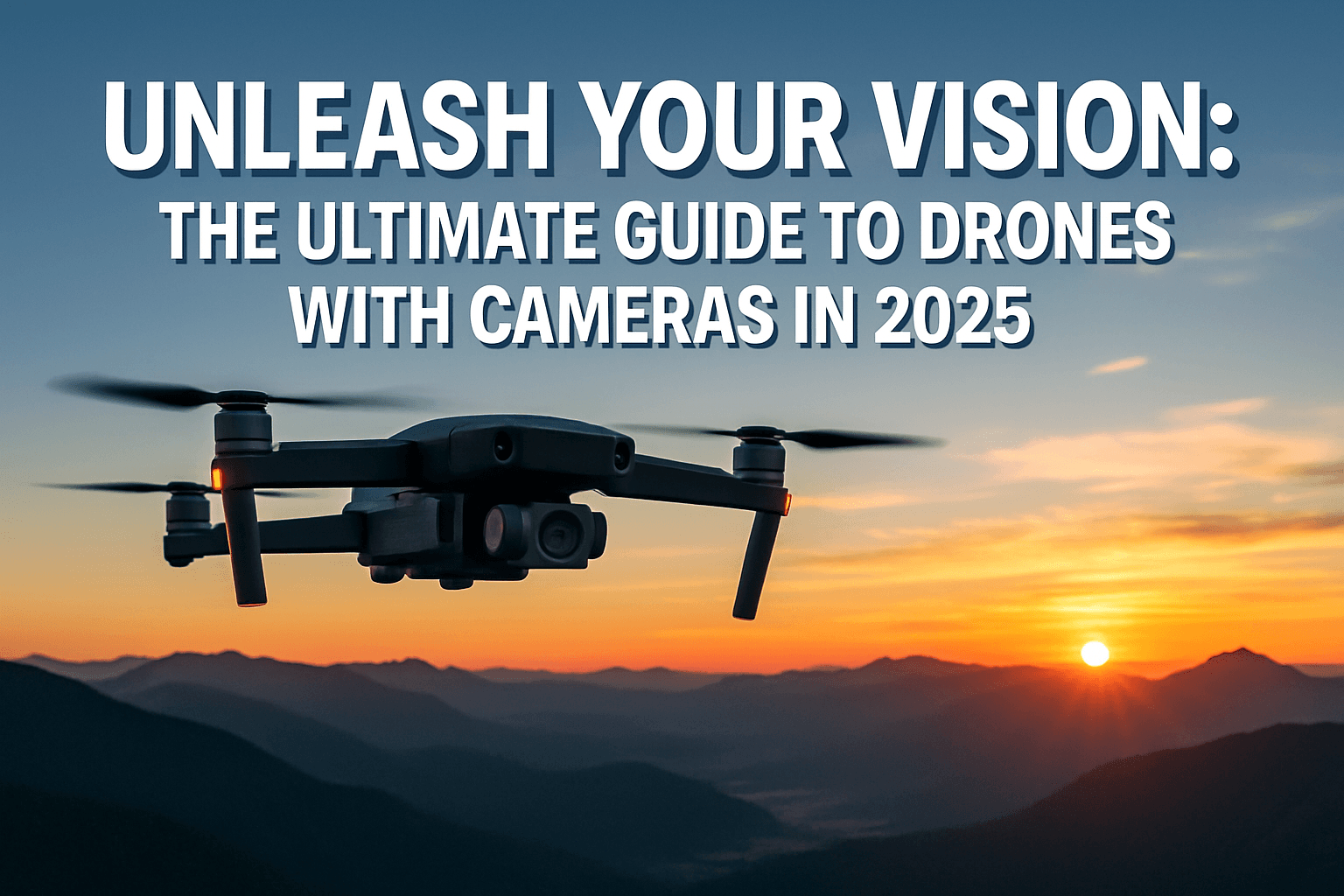

The sky is no longer the limit for capturing stunning visuals; it’s the canvas. In 2025, the drone with camera has transcended from a niche gadget to an indispensable tool for hobbyists and professionals alike, fundamentally reshaping how we view the world and tell our stories. Imagine effortlessly soaring above towering landscapes, gliding through bustling cityscapes, or capturing intimate moments from a breathtaking new perspective. This isn’t just about taking pictures; it’s about seeing possibilities you never knew existed. If you’re ready to elevate your visual content, understanding the world of camera drones is your first step into a boundless creative frontier.
Key Takeaways
- Versatility & Accessibility: Drones with cameras are now more affordable and user-friendly than ever, suitable for a wide range of applications from casual hobby flying to professional filmmaking and industrial inspections.
- Technological Advancements: Expect cutting-edge features in 2025, including superior camera resolution (4K, 8K), enhanced stabilization, longer flight times, advanced obstacle avoidance, and intelligent flight modes.
- Choosing the Right Drone: Selecting the best drone requires evaluating factors like camera quality, flight performance, ease of use, budget, and specific intended applications.
- Legal & Ethical Considerations: Adhering to drone regulations, understanding no-fly zones, and respecting privacy are crucial responsibilities for every pilot.
- Post-Production is Key: The magic doesn’t end with capture; effective editing and color grading transform raw drone footage into cinematic masterpieces.
Understanding the “Drone with Camera” Phenomenon
The evolution of the drone with camera has been nothing short of remarkable. What began as rudimentary flying machines with attached action cameras has blossomed into sophisticated aerial imaging platforms. These devices combine advanced flight technology with high-quality optics, offering unprecedented access to perspectives previously only attainable with expensive helicopters or cranes.
Think about a small town photographer, Sarah, who used to struggle to get unique angles for her real estate clients. Once she invested in a good quality drone with camera in early 2024, her business soared. Her listings suddenly stood out with captivating aerial views of properties and their surroundings, attracting more buyers and rave reviews. “It completely changed the game for me,” she recounted, “I was able to offer something truly special, something my competitors couldn’t.” This anecdote highlights the transformative power these aerial machines bring to various industries.
The Core Components of a Camera Drone
A modern drone with camera is a marvel of engineering, comprising several critical components that work in harmony:
- The Drone Body: This houses all the internal electronics and provides the structural framework. Materials like carbon fiber and lightweight plastics are common for durability and maneuverability.
- Rotors and Motors: These provide the lift and propulsion, with propellers rotating at high speeds to generate thrust. The number of rotors (quadcopters, hexacopters, octocopters) often dictates stability and lift capacity.
- Battery: Typically Lithium Polymer (LiPo) batteries, these power the drone, with flight time varying significantly between models.
- Flight Controller: The “brain” of the drone, processing commands from the remote controller and stabilizing the aircraft.
- GPS and Sensors: Essential for stable flight, navigation, and advanced features like ‘Return to Home’ and obstacle avoidance.
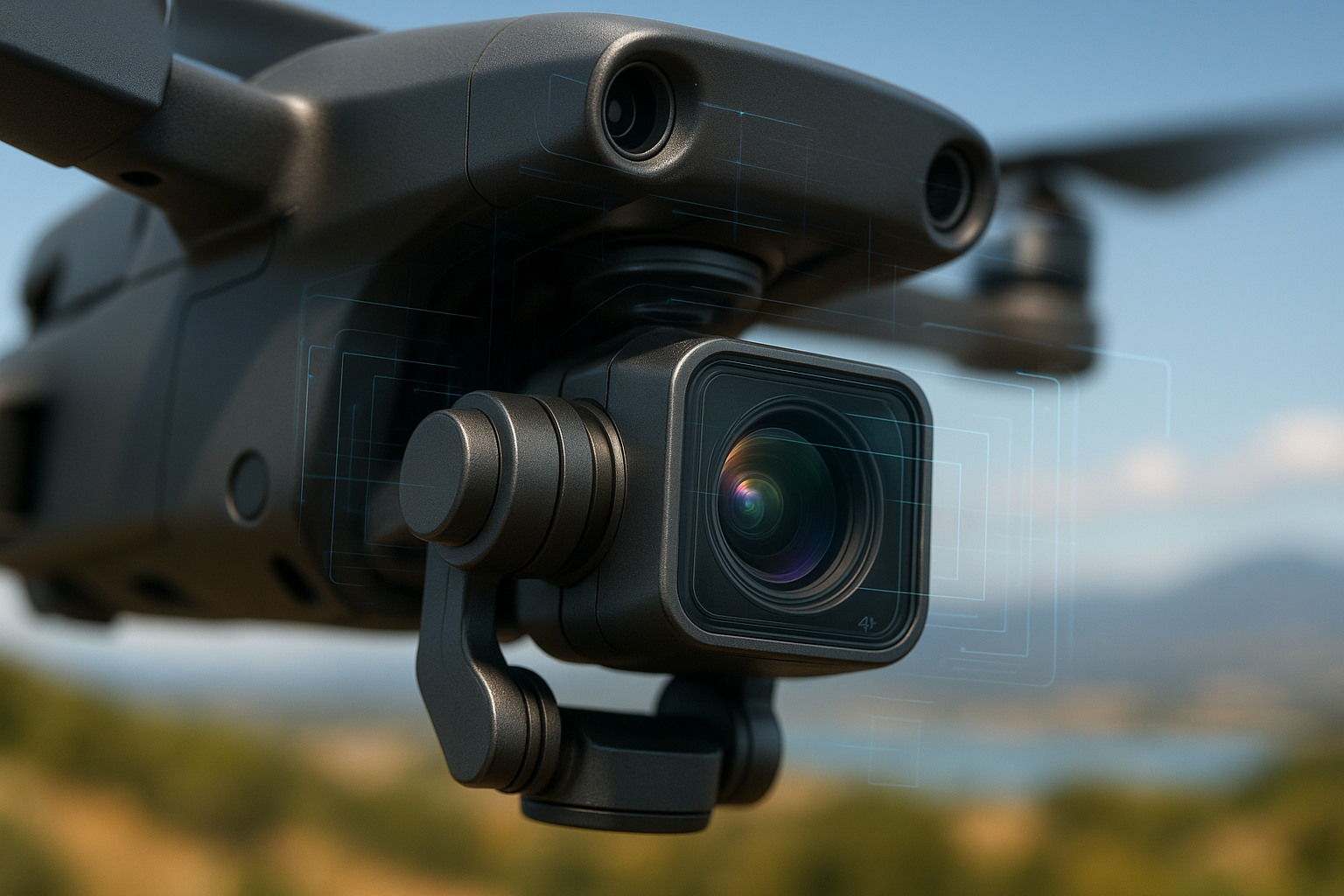
- The Camera System: This is where the magic happens. Modern camera drones feature integrated cameras, often capable of shooting 4K, 5K, or even 8K video and high-resolution stills.
- Gimbal: A crucial component for smooth footage, the gimbal mechanically stabilizes the camera against drone movements, eliminating shakes and jitters.
- Remote Controller: The handheld device used to pilot the drone, often featuring a screen or a mount for a smartphone/tablet to view live camera feeds.
This intricate combination allows for precise control and stunning image capture, whether you’re a seasoned pilot or just starting your aerial adventures.
The Diverse Applications of Drones with Cameras
The versatility of a drone with camera is perhaps its most compelling feature. Beyond simply capturing beautiful landscapes, these devices have found a home in numerous sectors, enhancing efficiency, safety, and creativity.
Aerial Photography and Videography
This is the most obvious and widespread use. From professional filmmakers and wedding videographers to travel vloggers and hobbyists, drones offer cinematic shots previously out of reach. Imagine a majestic pan over a mountain range or a dynamic tracking shot of a car racing through a winding road – these are now standard capabilities. Many enthusiasts flock to articles like 10 Best Aerial Photography Drones for All Budgets in 2023 for guidance on selecting the right equipment.
Real Estate and Construction
For real estate, drones provide captivating aerial views of properties, showcasing expansive landscapes, neighborhood amenities, and property boundaries like never before. In construction, drones are invaluable for site mapping, progress monitoring, and performing safety inspections in hard-to-reach areas. This significantly reduces risk and labor costs.
Agriculture and Surveying
Farmers use camera drones equipped with specialized sensors to monitor crop health, assess irrigation needs, and even spray pesticides more efficiently. Surveyors leverage them for creating detailed 3D maps and models of terrain, saving time and improving accuracy compared to traditional methods.
Public Safety and Search & Rescue
Drones are increasingly deployed by law enforcement and emergency services for search and rescue operations, accident reconstruction, and surveillance. Their ability to quickly cover large areas and provide an overhead perspective is critical in time-sensitive situations.
Environmental Monitoring
Researchers utilize camera drones to monitor wildlife, track deforestation, assess disaster damage, and collect data on environmental changes without disturbing sensitive ecosystems.
Choosing Your Ideal Drone with Camera in 2025
With an ever-expanding market, selecting the perfect drone with camera can seem daunting. However, by focusing on a few key criteria, you can narrow down your options and find a drone that meets your specific needs and budget.
1. Camera Quality
This is paramount for any camera drone. Consider:
- Resolution: 4K video is standard, but many drones now offer 5K or even 8K, providing incredible detail and flexibility for cropping.
- Sensor Size: A larger sensor generally means better low-light performance and dynamic range.
- Megapixels (Stills): Higher megapixels offer more detail for photographs.
- Gimbal Stabilization: Look for 3-axis gimbals for the smoothest, most professional-looking footage.
- Lens Features: Aperture (f-stop), field of view, and zoom capabilities can greatly impact your shots.
“When I bought my first drone, I completely underestimated the importance of the gimbal,” confessed Mark, a budding videographer. “My early footage was so shaky. Upgrading to a drone with a proper 3-axis gimbal was a game-changer; suddenly my videos looked professional.” This experience underscores the critical role of stabilization.
2. Flight Performance and Features
Beyond the camera, the drone’s flight capabilities are crucial:
- Flight Time: Longer flight times (typically 20-30+ minutes) are always better, allowing more time to capture your shots. Extra batteries are a must!
- Range: How far can the drone fly while maintaining a reliable connection?
- Obstacle Avoidance: Advanced sensors help prevent collisions, especially useful for beginners.
- GPS and Stability: Ensures stable hovering and accurate positioning.
- Intelligent Flight Modes: Features like ‘Follow Me’, ‘Orbit’, ‘Waypoint Navigation’, and ‘ActiveTrack’ can automate complex shots. For more on advanced features, you might want to explore articles like 12 Drone Buying Guide Tips in 2023.
3. Ease of Use and Portability
Especially for beginners, a user-friendly interface and intuitive controls are vital. Many modern drones are foldable, making them easy to transport and carry on adventures.
4. Budget
Drones with cameras range from a few hundred dollars for beginner models to several thousand for professional cinematic rigs. Set a realistic budget and prioritize features that are most important to you. For budget-conscious buyers, resources like 10 Best Aerial Photography Drones at Very Low Prices can be incredibly helpful.
5. Brand Reputation and Support
Established brands like DJI, Autel Robotics, and Skydio offer reliable products and better customer support. Explore 10 Best DJI Drones of 2023 for popular options or 10 Best DJI Alternatives if you’re looking beyond the market leader.
Essential Accessories for Your Drone with Camera
Once you’ve chosen your drone, a few accessories can significantly enhance your flying and filming experience.
- Extra Batteries: The single most important accessory. More batteries mean more flight time.
- Propeller Guards: Especially useful for beginners or when flying indoors/in confined spaces, protecting both your drone and surroundings.
- ND (Neutral Density) Filters: These reduce the amount of light entering the camera lens, allowing for slower shutter speeds and more cinematic motion blur, especially in bright conditions. Think of them like sunglasses for your drone’s camera.
- Memory Cards: High-speed, high-capacity microSD cards are essential for storing 4K/8K footage.
- Carrying Case/Backpack: Protects your drone during transport and keeps all your accessories organized.
- Landing Pad: Provides a clean, flat surface for takeoff and landing, protecting your drone’s camera and propellers from dust and debris.
Investing in these few items can make a huge difference in the longevity and performance of your drone, as well as the quality of your content.
Navigating Drone Regulations and Safety in 2025
Operating a drone with camera comes with responsibilities. As of 2025, drone regulations are becoming increasingly harmonized globally, though local laws still apply. It’s crucial for every pilot to understand and adhere to these guidelines to ensure safe and legal operation.
Key Regulatory Considerations
- Registration: Many countries, including the USA (FAA), require drones above a certain weight to be registered.
- Pilot Certification: For commercial operations or drones above a certain weight, specific pilot certifications or licenses may be required (e.g., FAA Part 107 in the USA).
- No-Fly Zones: Respect restricted airspace around airports, government buildings, military bases, and critical infrastructure. Always check local airspace maps before flying.
- Line of Sight (LOS): In most regions, you must keep your drone within your visual line of sight at all times.
- Altitude Restrictions: There are typically maximum altitude limits (e.g., 400 feet above ground level in the USA).
- Privacy: Be mindful of privacy concerns when flying a drone with a camera. Avoid flying over private property without permission and respect individuals’ expectations of privacy.
- Insurance: Consider drone insurance, especially for expensive professional equipment or commercial operations, to cover potential damage or liability.
For detailed information, consider checking official aviation authority websites in your region or exploring resources such as 10 Educational Drone Regulation Videos. Remember, safety should always be your top priority. A simple pre-flight checklist can prevent many common issues: check battery levels, propeller integrity, GPS signal, and clear your flight path.
Mastering Aerial Photography and Videography with Your Drone
Beyond just flying, mastering the art of aerial content creation requires skill, practice, and a creative eye. Here are a few tips to get you started:
- Practice Flying: Before focusing on amazing shots, become proficient in drone control. Smooth inputs lead to smooth footage.
- Plan Your Shots: Scout locations, understand lighting conditions (golden hour is your friend!), and visualize your desired footage before taking off.
- Understand Your Camera Settings: Learn about aperture, ISO, shutter speed, and white balance. These are crucial for professional-looking results.
- Utilize Intelligent Flight Modes: Don’t be afraid to experiment with your drone’s pre-programmed flight paths. They can help achieve complex, cinematic movements with ease.
- Master Post-Production: Editing is where your footage truly comes alive. Learn video editing software (e.g., Adobe Premiere Pro, DaVinci Resolve) for color grading, stabilization, and adding music. For tips on making your footage shine, delve into 10 Effective Ways to Make Your Drone Footage More Natural.
- Learn from Others: Watch tutorials, follow experienced drone pilots on social media, and join online communities. There’s a vast amount of knowledge to absorb.
“I used to think my drone would just do all the work,” shared Liam, a student who bought a drone for his film project. “But it wasn’t until I started planning my shots and spending hours in editing software that my videos really started to pop. It’s a journey, not a destination.”
Conclusion: Soaring into the Future with a Drone with Camera
The drone with camera has firmly established itself as an indispensable tool in 2025, offering unparalleled opportunities for creative expression, professional efficiency, and sheer enjoyment. From capturing breathtaking landscapes and supporting critical infrastructure inspections to enhancing public safety and enabling scientific research, its applications continue to expand at an astonishing pace.
Whether you’re an aspiring aerial photographer, a business owner looking to optimize operations, or simply someone eager to experience the world from a new vantage point, there’s a drone with a camera out there for you. The key is to understand your needs, research the options, prioritize safety and regulations, and most importantly, embrace the journey of learning and discovery.
Actionable Next Steps:
- Define Your Purpose: What do you primarily want to use a drone for? (e.g., hobby photography, real estate, vlogging, inspections).
- Set a Budget: Determine how much you’re willing to invest in a drone and essential accessories.
- Research Models: Explore current top-rated drones that fit your purpose and budget. Don’t forget to check out articles like 10 Best Drones 2023 ReviewsGuide for comprehensive comparisons.
- Understand Regulations: Familiarize yourself with local and national drone laws before making a purchase.
- Start Small, Grow Big: If you’re a beginner, consider a more user-friendly model to learn the ropes before investing in advanced professional equipment.
The sky is waiting. Your perspective, redefined.
References
[1] Federal Aviation Administration (FAA). (2025). Unmanned Aircraft Systems (UAS) Regulations. Retrieved from FAA.gov.
[2] Drone Industry Insights. (2025). Drone Market Report 2025. Retrieved from droneii.com.

