



Remember the last time you walked into a bank? The hushed tones, the line of tellers, the imposing vault door in the back? For generations, this was the undisputed storefront for finance. It was physical, tangible, and operated on strict schedules. Today, that model is being rapidly eclipsed by a new, more powerful concept: The Digital Storefront.
This isn’t just a website; it’s a dynamic, always-open ecosystem where global commerce happens at the speed of light. From ordering groceries to securing a loan, the digital storefront has become our primary interface with the world of value exchange. And at the cutting edge of this revolution is the ability to buy digital assets, starting with the pioneer of them all: Bitcoin.
Beyond Bricks and Mortar: What Defines a Modern Digital Storefront?
A traditional storefront is limited by its geography and operating hours. A digital storefront, however, is defined by entirely different principles:
- Accessibility: It’s open 24/7, from any internet-connected device, anywhere in the world.
- Efficiency: Transactions that once took days—like international wire transfers—can now be completed in minutes.
- Transparency: Prices, fees, and processes are (or should be) clearly displayed, empowering the user with information.
- Choice: A single platform can offer a vast array of products and services far beyond what any physical location could hold.
When we apply these principles to the world of finance, we see the emergence of a new kind of bank—one that doesn’t have a building but has immense utility. This is precisely the space where cryptocurrency exchanges and swap services operate. They are the digital storefronts for the new economy.
The Ultimate Digital Commodity: Buying Bitcoin
Bitcoin is the native currency of this digital landscape. It’s a decentralized, borderless, and scarce asset that perfectly aligns with the ethos of the digital storefront. Buying Bitcoin is often the first step for anyone looking to participate in this new financial paradigm. But the experience of acquiring it can vary dramatically.
Some platforms feel like the bureaucratic banks of old, requiring extensive paperwork, long waiting periods for verification, and offering a confusing array of options. The ideal digital storefront, however, makes this process intuitive, swift, and secure.

Choosing the Right Digital Storefront for Your Crypto Journey
Not all digital storefronts are created equal. When you decide to buy Bitcoin, the platform you choose is as important as the asset itself. Here’s what to look for in a top-tier service:
- Simplicity: The process should be straightforward, especially for newcomers. A clean user interface that guides you step-by-step is invaluable.
- Speed: From registration to the final exchange, the platform should prioritize fast transaction processing.
- Security: Robust security measures, including encryption and transparent operational practices, are non-negotiable when dealing with financial assets.
- Competitive Value: This means more than just low fees. It’s about getting a fair market rate for your exchange without hidden costs.
The goal is to find a service that removes the technical friction and lets you focus on the acquisition itself. It should feel less like a complex financial instrument and more like a simple, efficient online purchase.
A Seamless Experience for Buying Crypto
Finding a platform that aggregates multiple exchange services can be a game-changer. Instead of creating accounts on dozens of different sites, you can use a single, streamlined interface to compare offers and choose the best one for your needs. This is the evolution of the digital storefront—a curated marketplace designed for user convenience.
For those ready to take the first step, exploring a streamlined aggregator can simplify the process immensely. If you’re looking to begin your journey into digital assets, you can start by exploring your options to buy crypto like BTC on platforms that prioritize ease of use and transparency.
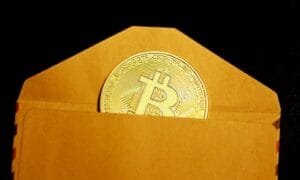
The Future is a Digital Open Market
The digital storefront is more than a trend; it’s the foundation of our future economy. It democratizes access to assets and opportunities that were once gated by institutions and borders. Buying Bitcoin is a prime example of this shift—it’s acquiring a globally recognized, decentralized asset through a simple online interface.
As this technology evolves, these storefronts will become even more integrated into our digital lives, offering increasingly sophisticated and seamless ways to manage value. The physical bank vault is giving way to the digital gateway, and for those willing to step through, a world of financial possibility awaits.

